
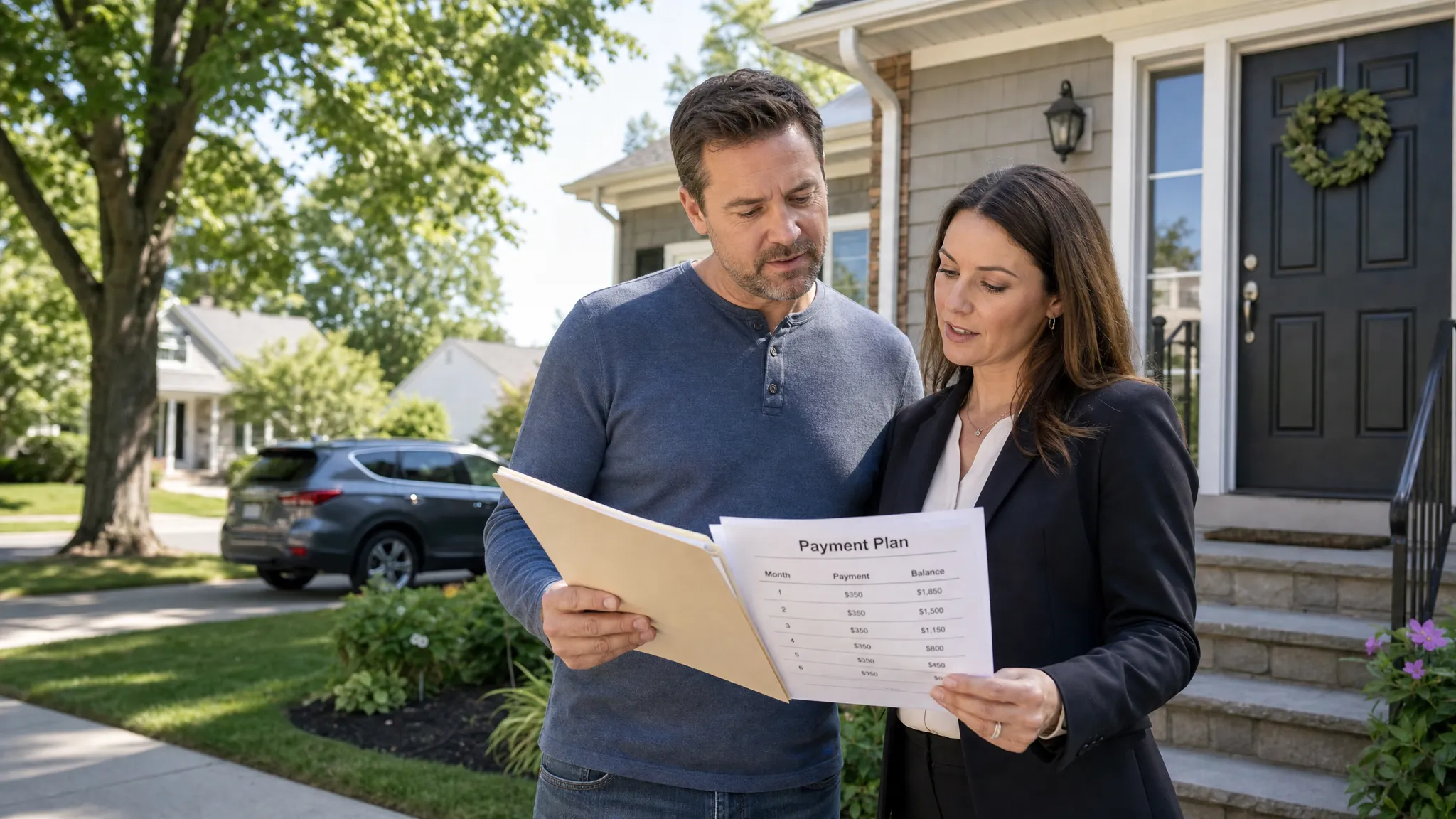
When debt starts to affect your home, paycheck, bank account, or peace of mind, the number of possible solutions can feel overwhelming. You may hear about debt settlement, creditor negotiations, debt consolidation, foreclosure defense, and bankruptcy, often from people who are not looking at your full legal and financial picture.
A debt resolution attorney can help you sort through those choices. In some cases, attorney-led negotiation or debt lawsuit defense may be enough. In others, bankruptcy may provide stronger and faster protection, especially if you are facing lawsuits, wage garnishment, foreclosure, or debts you realistically cannot repay.
The right answer depends on your income, assets, home equity, lawsuit deadlines, creditor pressure, and long-term goals. For New York homeowners and consumers, the most important step is to compare your options before a judgment, foreclosure sale, or missed court deadline limits what can be done.
Start With the Real Problem You Need to Solve
“Debt resolution” can mean different things depending on the situation. For one person, it may mean negotiating credit card balances. For another, it may mean defending a collection lawsuit, stopping a bank restraint, or finding a way to keep a home after falling behind on the mortgage.
Before deciding between a debt resolution attorney and bankruptcy, ask what problem is most urgent:
- Are you being sued by a creditor?
- Has your bank account been restrained?
- Are your wages being garnished?
- Are you behind on your mortgage?
- Have you received foreclosure papers?
- Do you have one major debt or several debts with multiple creditors?
- Do you have enough income to make reduced payments?
- Are you trying to protect a home, car, business, or other property?
New York consumers should be especially careful about ignoring legal papers. A creditor lawsuit can lead to a judgment, and a judgment can create serious collection risks. If you own a home, debt problems can also affect your property. CGW has discussed how debt lawsuits can threaten a homeowner’s income and property, which is one reason early legal advice matters.
What a Debt Resolution Attorney May Do Outside Bankruptcy
A debt resolution attorney focuses on solving debt problems through legal analysis, negotiation, defense, and strategy. Bankruptcy may be one possible tool, but it is not the only one.
Outside bankruptcy, an attorney may help by reviewing whether the creditor can prove the debt, responding to a summons, negotiating a settlement, arranging payment terms, challenging improper collection activity, or protecting exempt income and assets. If the debt is tied to a mortgage or foreclosure, the attorney may also evaluate loan modification options, loss mitigation, foreclosure defenses, or alternatives such as a short sale.
This is different from working with a non-lawyer debt settlement company. A debt settlement company may focus primarily on negotiating balances. A lawyer can also evaluate lawsuits, court deadlines, judgment risks, bankruptcy consequences, lien issues, home equity, and defenses under New York and federal law.
Debt resolution may be a strong fit when the debt is limited, the creditor’s proof is weak, the consumer has funds available for a settlement, or the goal is to resolve a lawsuit without filing bankruptcy. It may also fit when a homeowner is not overwhelmed by all debts but needs focused help with a particular creditor, mortgage servicer, or collection case.
That said, negotiation has limits. A creditor does not have to accept a settlement. Interest and fees may continue. A lawsuit may still move forward unless properly defended. A settlement may also create tax consequences depending on the circumstances. These are reasons to get advice before assuming a negotiated deal is safer or less expensive than bankruptcy.
What Bankruptcy Can Do That Negotiation Usually Cannot
Bankruptcy is not a personal failure. It is a legal process designed to give individuals, families, and businesses a structured way to address debt. In many cases, it can provide protections that private negotiation cannot.
One of the most important protections is the automatic stay. When a bankruptcy case is filed, the automatic stay generally pauses most collection activity, including many lawsuits, wage garnishments, bank restraints, collection calls, and foreclosure activity. There are exceptions, and timing matters, but the automatic stay can be powerful when creditors are moving quickly.
The most common consumer bankruptcy chapters are Chapter 7 and Chapter 13. Chapter 7 is often used to eliminate qualifying unsecured debts, such as credit card debt and medical debt, when the person qualifies and has no unacceptable asset risk. Chapter 13 is a repayment plan that can help some homeowners catch up on mortgage arrears over time while keeping current on ongoing payments.
Small businesses or individuals with more complex financial circumstances may need to consider Chapter 11. This can allow for restructuring, but it is more involved and should be evaluated carefully with counsel.
If you are new to the process, CGW’s overview of consumer bankruptcy basics explains the general differences between the available chapters and how bankruptcy can affect debts, property, and creditor collection.
Debt Resolution Attorney vs. Bankruptcy: A Practical Comparison
The best option is not always the option that sounds least serious. Sometimes negotiation is enough. Sometimes waiting too long to file bankruptcy can make the situation harder. The following comparison can help frame the discussion.
| Option | Often fits when | Potential benefits | Important limits |
|---|---|---|---|
| Attorney-led debt resolution | You have one or a few debts, a pending lawsuit, or funds to negotiate | May avoid bankruptcy, can address lawsuit defenses, may reduce balances or create payment terms | Creditors do not have to settle, lawsuits require timely responses, settlements may have tax or credit consequences |
| Chapter 7 bankruptcy | You have mostly unsecured debt and limited ability to repay | May discharge qualifying debts and stop many collection actions | Not all debts are dischargeable, asset and income issues must be reviewed |
| Chapter 13 bankruptcy | You have regular income and need time to catch up, especially on mortgage arrears | May stop foreclosure and allow structured repayment over time | Requires plan payments, ongoing income, and court approval |
| Chapter 11 bankruptcy | You own a business or have complex debt that needs restructuring | May allow continued operations while reorganizing debt | More complex and typically more expensive than consumer chapters |
No chart can replace legal advice. The same debt amount can lead to different recommendations depending on home equity, household income, creditor behavior, and case timing.
When Attorney-Led Debt Resolution May Be the Better First Step
Debt resolution may be worth exploring before bankruptcy when the problem is contained and there is a realistic path to settlement or defense. For example, if one credit card company filed suit but the consumer has defenses, exemptions, or limited funds available for a lump-sum settlement, a negotiated resolution may make sense.
It can also help when the amount in dispute is uncertain. Debt buyers, for example, must prove that they own the debt and that the amount claimed is accurate. If documentation is incomplete or the lawsuit has procedural problems, legal defense may improve the consumer’s position.
For small business owners, debt resolution can also involve protecting the assets needed to keep income coming in. A contractor, retailer, landlord, or service business may need to identify essential tools, inventory, vehicles, equipment, or shipping containers used for business storage before deciding whether settlement, restructuring, or bankruptcy is the better path.
Attorney-led resolution may be especially helpful when you want to avoid a bankruptcy filing and have enough income or resources to support a deal. The key is to be realistic. If the settlement terms are unaffordable, the agreement may only delay the problem.
When Bankruptcy May Fit Better
Bankruptcy may be a better fit when the debt is widespread, creditor pressure is escalating, or private negotiation cannot provide enough protection. If several creditors are suing, wages are being garnished, bank accounts are being restrained, or collection calls are constant, bankruptcy may offer a more complete framework.
For homeowners, bankruptcy may be particularly important when mortgage arrears are part of the problem. Chapter 13 may allow qualifying homeowners to repay missed mortgage payments over time while staying current on future payments. In some cases, bankruptcy can also create a structured setting for loss mitigation or mortgage review.
Chapter 7 may be appropriate when the primary goal is to eliminate qualifying unsecured debt and the consumer does not need a long-term repayment plan. However, homeowners must be careful. Home equity, exemptions, liens, mortgage status, and other assets should be reviewed before filing. A bankruptcy that is helpful for one person may create avoidable risk for another if filed without careful planning.
Bankruptcy may also be preferable if creditor negotiation would take too long. If a foreclosure sale date, garnishment, or judgment enforcement deadline is approaching, the speed and legal force of the automatic stay may matter. The U.S. Courts bankruptcy basics page provides a general overview of the federal bankruptcy system, but New York-specific advice is important before making a decision.
For Homeowners, the Choice Can Affect Foreclosure Strategy
If you are behind on your mortgage, the decision is rarely just “debt settlement or bankruptcy.” You may also need to consider foreclosure defense, loan modification, loss mitigation, settlement conferences, Chapter 13, Chapter 7, short sale options, or an appeal if a court has already ruled against you.
New York foreclosure cases have their own procedures and timelines. Homeowners may have defenses if the lender or servicer failed to follow required rules, lacked proper documentation, misapplied payments, mishandled a modification application, or failed to comply with applicable notice requirements. These issues should be reviewed before assuming foreclosure is inevitable.
Bankruptcy can sometimes help stop foreclosure activity, but it must be used carefully. Filing too early, too late, or under the wrong chapter can affect your options. If foreclosure is part of your debt problem, CGW’s guide to foreclosure and bankruptcy options for New York homeowners may help you understand how the two areas overlap.
How a New York Debt Resolution Attorney Evaluates the Right Fit
A debt resolution attorney should not recommend bankruptcy or settlement in a vacuum. The analysis should begin with a full review of the facts.
Important factors include your monthly income, expenses, household size, home value, mortgage balance, liens, car loans, retirement accounts, pending lawsuits, judgments, creditor names, tax debts, student loans, and business obligations. The attorney should also ask what outcome matters most to you. Keeping a home, stopping garnishment, protecting a small business, and eliminating unsecured debt may require different strategies.
For homeowners in Westchester County, Rockland County, Putnam County, Orange County, Dutchess County, the Bronx, and the Lower Hudson Valley, local court procedures and New York exemption rules can make a significant difference. The right plan should reflect both the law and the practical realities of your household.
A careful legal review may show that negotiation is sensible. It may show that bankruptcy offers the cleanest path forward. It may also show that a combined strategy is best, such as defending a lawsuit while preparing for bankruptcy if negotiations fail, or pursuing a loan modification while evaluating Chapter 13 as a backup option.
Questions to Ask Before You Decide
Before choosing a path, consider asking an attorney these questions:
- What happens if I do nothing for the next 30, 60, or 90 days?
- Are there court deadlines I cannot miss?
- Can the creditor prove the debt and the amount claimed?
- Do I have income or assets that creditors can reach?
- Would settlement actually be affordable?
- Would bankruptcy protect my home, car, wages, or bank account?
- Which debts would likely survive bankruptcy?
- Could Chapter 13 help with mortgage arrears?
- Are there foreclosure defenses or loan modification options?
- What are the risks of each option in my specific situation?
The goal is not to choose the option with the best marketing. The goal is to choose the option that protects your legal rights and gives you the most realistic path forward.
Frequently Asked Questions
Is a debt resolution attorney the same as a bankruptcy attorney? Not always. A debt resolution attorney may negotiate with creditors, defend debt lawsuits, evaluate foreclosure issues, and advise on bankruptcy. Some attorneys handle both debt resolution and bankruptcy, which can be helpful because they can compare all available options rather than pushing only one strategy.
Is debt settlement better than bankruptcy? It depends. Debt settlement may work if you have a manageable number of debts and money available to fund a reasonable agreement. Bankruptcy may be better if you have multiple creditors, lawsuits, garnishments, foreclosure pressure, or no realistic ability to settle.
Can bankruptcy stop a debt lawsuit in New York? Bankruptcy generally stops many debt lawsuits through the automatic stay, but there are exceptions. If you have already been sued, you should speak with an attorney quickly because lawsuit deadlines may still matter if bankruptcy is not filed or if the stay does not apply to a particular issue.
Can I keep my house if I file bankruptcy? Many homeowners can keep their homes in bankruptcy, depending on income, equity, exemptions, mortgage status, and the chapter filed. Chapter 13 may help some homeowners catch up on mortgage arrears, while Chapter 7 requires careful review of equity and exemptions before filing.
Should I wait until creditors get more aggressive before calling a lawyer? Waiting often reduces options. A debt problem is usually easier to address before a default judgment, wage garnishment, bank restraint, foreclosure sale, or eviction deadline. Early advice does not mean you must file bankruptcy, but it can help you avoid preventable mistakes.
Speak With CGW Before Deadlines Limit Your Options
If you are deciding between a debt resolution attorney and bankruptcy, you do not have to make that decision alone. The right choice depends on your debts, assets, income, court deadlines, and goals for your home or business.
Clair Gjertsen & Weathers PLLC helps New York homeowners, consumers, landlords, tenants, and small businesses evaluate practical solutions for debt, foreclosure, bankruptcy, and related legal problems. If you are facing creditor lawsuits, mortgage default, collection pressure, or uncertainty about bankruptcy, speaking with experienced counsel early may give you more options.
Contact CGW to discuss your situation and begin identifying a path that fits your circumstances. Every case is unique, and timely guidance can make a meaningful difference.