
If you are overwhelmed by debt, behind on your mortgage, or worried about a lawsuit or wage garnishment, bankruptcy may feel like a last resort. In reality, bankruptcy is a legal tool designed to help individuals, families, and businesses regain control when debts become unmanageable.
So, do you need a lawyer for bankruptcies in New York? Legally, an individual can file bankruptcy without an attorney. Practically, many people benefit from legal guidance because a mistake can affect your home, car, bank account, foreclosure case, or ability to receive a discharge.
This is especially true in New York, where home values, foreclosure procedures, exemptions, court practices, and creditor claims can make bankruptcy more complicated than it first appears. The right question is not only whether you can file on your own. It is whether filing without counsel is worth the risk.
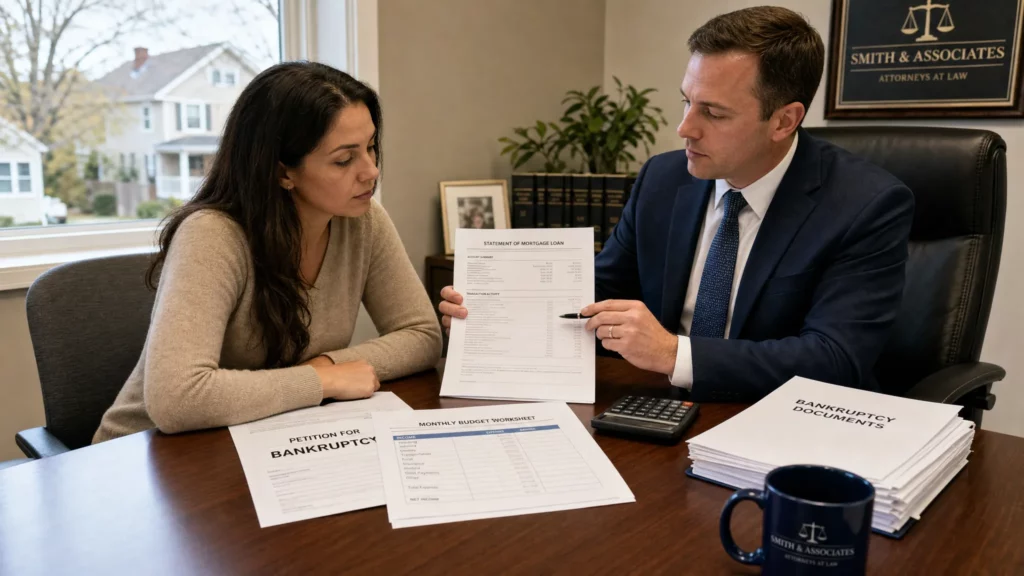
The short answer: You are not required to have a lawyer, but you may need one
Individuals are allowed to represent themselves in bankruptcy court. This is called filing pro se. However, bankruptcy is a federal court process with strict forms, deadlines, disclosure obligations, eligibility rules, and long-term consequences.
You should strongly consider speaking with a New York bankruptcy lawyer if any of the following apply:
- You own a home, condo, co-op, rental property, or valuable assets.
- You are behind on mortgage payments or facing foreclosure.
- You have been sued by a creditor or are facing wage garnishment.
- You are considering Chapter 13 to catch up on mortgage arrears.
- You have tax debt, student loans, domestic support obligations, or business debt.
- Your income changes from month to month or includes self-employment income.
- You recently transferred property, paid back relatives, or used retirement funds.
- You previously filed bankruptcy or had a case dismissed.
- You own a small business or personally guaranteed business debts.
A very simple no-asset Chapter 7 case may be easier to file without counsel than a case involving a home, foreclosure, business, or repayment plan. But even then, it is wise to understand the risks before submitting anything to the court.
What a bankruptcy lawyer does before you file
A bankruptcy attorney’s job is not simply to prepare forms. A good lawyer first helps you decide whether bankruptcy is the right option at all.
For some people, Chapter 7 bankruptcy may provide a clean path toward eliminating qualifying unsecured debts, such as credit cards or medical bills. For others, Chapter 13 may be better because it can create time to repay mortgage arrears, protect property, and manage debts over three to five years. In some cases, bankruptcy may not be the best first step, especially if a loan modification, foreclosure defense strategy, debt defense, settlement, or short sale should be considered.
Before filing, a bankruptcy lawyer typically reviews:
- Your income, expenses, assets, debts, and financial history.
- Whether you qualify for Chapter 7 under the means test.
- Whether Chapter 13 payments would be feasible.
- Whether your home equity is protected by exemptions.
- Whether a foreclosure sale, lawsuit, or garnishment creates urgent timing concerns.
- Whether any debts may be nondischargeable.
- Whether prior transfers or payments could create trustee issues.
This analysis matters because bankruptcy requires complete and accurate disclosure. Leaving out property, underestimating equity, misclassifying debt, or choosing the wrong chapter can create serious problems.
Chapter 7, Chapter 13, and Chapter 11 in plain English
The type of bankruptcy you file determines what happens next. The differences matter, particularly for New York homeowners and small business owners.
| Bankruptcy chapter | Common use | How it may help | Key caution |
| Chapter 7 | Individuals with limited income and mostly unsecured debt | May eliminate qualifying credit card debt, medical debt, and personal loans | Does not create a long-term plan to cure mortgage arrears, and nonexempt property may be at risk |
| Chapter 13 | Individuals with steady income who need time to repay certain debts | May help stop foreclosure, cure mortgage arrears, and protect assets through a court-approved plan | Requires regular plan payments, ongoing mortgage payments, and trustee approval |
| Chapter 11 | Businesses, some individuals with complex debts, and certain high-debt cases | May allow debt restructuring while operations continue | More complex and usually requires experienced counsel |
For many homeowners in Westchester County, Rockland County, Putnam County, Orange County, Dutchess County, the Bronx, and the Lower Hudson Valley, the decision often comes down to whether the primary goal is to eliminate unsecured debt, stop a foreclosure, or reorganize finances while keeping a home.
Why New York bankruptcy cases can be more complicated than they look
Bankruptcy law is federal, but local circumstances still matter. A case filed by a homeowner in White Plains, Yonkers, New Rochelle, the Bronx, or the Hudson Valley may involve local court practices, trustee expectations, New York foreclosure timelines, and New York property exemptions.
Many Lower Hudson Valley and Bronx bankruptcy cases are handled in the Southern District of New York, often through the bankruptcy court locations serving that region. The forms may be federal, but the way a trustee reviews income, expenses, mortgage arrears, real estate equity, and documentation can feel highly practical and fact-specific.
New York also allows debtors to choose between certain exemption systems, depending on the situation. Exemptions are laws that protect certain property from creditors and bankruptcy trustees. Choosing the wrong exemption approach can affect whether you can keep a home, vehicle, bank account, personal property, or potential claim.
That is one of the biggest reasons homeowners should be cautious about filing on their own. The question is not simply whether you own a home. It is how much equity exists, who owns the property, what liens are recorded, what exemption applies, and whether the chosen bankruptcy chapter protects your long-term goal.
Bankruptcy and foreclosure: Why timing is critical
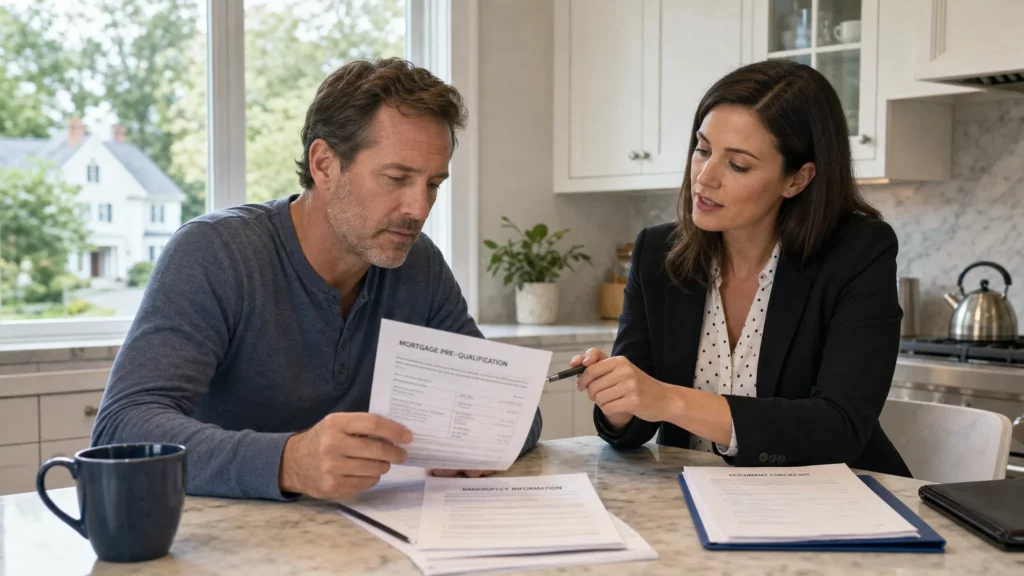
For homeowners facing foreclosure, bankruptcy may provide immediate breathing room through the automatic stay. The automatic stay is a court order that generally stops most collection activity after a bankruptcy case is filed. Depending on the circumstances, it may temporarily stop a foreclosure sale, creditor lawsuit, wage garnishment, bank restraint, or collection calls.
However, the automatic stay is not a permanent solution by itself. A mortgage lender may ask the bankruptcy court for permission to continue foreclosure if the homeowner cannot make required payments, lacks a feasible Chapter 13 plan, or has filed multiple bankruptcy cases in a short period of time.
Chapter 13 can be especially useful for some New York homeowners because it may allow mortgage arrears to be repaid over three to five years while the homeowner resumes regular monthly mortgage payments. This can work alongside foreclosure defense, loss mitigation, or loan modification efforts, but it must be planned carefully.
Waiting until the night before a foreclosure auction can limit your options. Bankruptcy may still be possible in some urgent cases, but a rushed filing increases the risk of errors, missing documents, plan problems, or disputes over the automatic stay. Once a foreclosure sale has occurred, it may become much harder to protect the home.
Protecting your home, car, and other property
One of the most common fears about bankruptcy is losing everything. That is not how bankruptcy usually works, but property protection depends on the facts.
New York has homestead exemptions that may protect equity in a primary residence. The available protection can vary by county and is periodically adjusted. Westchester, Rockland, Putnam, Bronx, and New York City counties are generally in a higher New York homestead tier, while counties such as Dutchess and Orange may fall into a different tier. The correct amount should always be confirmed before filing.
Home equity is only one part of the analysis. A bankruptcy lawyer may also review:
- Whether the home is jointly owned.
- Whether there are judgment liens, tax liens, second mortgages, or HOA or condo arrears.
- Whether the mortgage balance and property value are accurate.
- Whether the homeowner should use New York exemptions or federal exemptions.
- Whether Chapter 7 or Chapter 13 better protects the property.
This is where filing without a lawyer can become dangerous. If a Chapter 7 trustee believes there is nonexempt equity, the trustee may investigate selling the property or negotiating a payment to the estate. In Chapter 13, nonexempt equity can affect how much must be paid to unsecured creditors through the plan.
Before transferring property, adding or removing someone from a deed, paying a relative, selling a car, or using retirement funds, speak with counsel. Actions taken shortly before bankruptcy can create issues that might have been avoided with early advice.
Bankruptcy and creditor lawsuits in New York
If a credit card company, debt buyer, medical creditor, or personal lender has sued you, bankruptcy may stop the lawsuit and prevent further collection activity while the case is pending. It may also discharge the underlying debt if the debt qualifies.
But bankruptcy does not erase every type of debt. Some obligations may survive bankruptcy or require additional litigation. These can include certain taxes, domestic support obligations, many student loans, criminal restitution, and debts connected to fraud or intentional misconduct.
A lawyer can help determine whether the debt is dischargeable, whether the creditor has a valid claim, and whether bankruptcy is better than defending the lawsuit in state court. This is particularly important if a creditor already has a judgment, has restrained a bank account, or is garnishing wages.
Small businesses and bankruptcy counsel
Small business owners often face a mix of personal and business debt. A business loan may be personally guaranteed. A landlord may be pursuing rent. Vendors may be demanding payment. Tax debt, payroll obligations, equipment leases, and merchant cash advances can all overlap.
If you operate a corporation or LLC, the legal analysis becomes more complex. Business entities generally cannot represent themselves in federal court the same way an individual can. Chapter 11, including Subchapter V for qualifying small business debtors, typically requires experienced legal guidance.
A business bankruptcy lawyer can help evaluate whether the goal is to close down, reorganize, sell assets, negotiate with creditors, or continue operations. For businesses whose value includes copyrights, trademarks, licensing rights, or other intangible assets, broader asset planning may also matter. In that setting, resources such as IP monitoring and licensing tools may be part of understanding potential revenue streams, while bankruptcy counsel focuses on how those assets and contracts are treated in a restructuring.
What can go wrong if you file bankruptcy without legal help?
Bankruptcy paperwork can seem straightforward at first because many forms ask for basic financial information. The difficulty is knowing the legal effect of each answer.
| Potential mistake | Why it matters |
| Filing the wrong chapter | You may lose protection you needed or end up in a plan you cannot afford |
| Miscalculating home equity | Nonexempt equity can create risk in Chapter 7 or increase Chapter 13 payments |
| Leaving out a creditor | Notice problems can affect discharge and case administration |
| Failing the means test | A Chapter 7 case may be challenged or dismissed |
| Missing required courses or documents | The case may be delayed, dismissed, or closed without discharge |
| Ignoring secured debts | Mortgage, car loan, co-op, condo, and tax issues may continue after discharge |
| Filing too late before a foreclosure sale | Emergency filings can be incomplete, and options may be narrower |
A dismissed bankruptcy case can also make future filings harder, especially if there are repeated cases and questions about the automatic stay. That is why early legal advice often creates more room to plan.
When filing without a lawyer may be more realistic
There are situations where a person may decide to file without an attorney. For example, someone with low income, no real estate, no valuable assets, no recent transfers, no lawsuits involving disputed debts, and only basic unsecured debt may have a more straightforward Chapter 7 case.
Even then, the person must complete credit counseling, prepare accurate schedules, attend the 341 meeting of creditors, cooperate with the trustee, take the required financial management course, and understand what debts will and will not be discharged.
The simpler the case, the more realistic self-filing may be. The more you have to protect, the more important legal advice becomes.
Questions to ask a New York bankruptcy lawyer
Before hiring counsel, you should feel comfortable asking direct questions. A good consultation should leave you with a clearer understanding of your options, not more confusion.
Consider asking:
- Do I qualify for Chapter 7, Chapter 13, or another option?
- How will bankruptcy affect my home, car, bank accounts, and wages?
- Can bankruptcy stop my foreclosure sale or creditor lawsuit?
- What debts are likely to be discharged, and what debts may remain?
- Are there non-bankruptcy options I should consider first?
- What documents do you need to review before recommending a strategy?
- What deadlines should I be worried about right now?
If you are a homeowner, bring mortgage statements, foreclosure papers, loan modification correspondence, tax bills, and any sale notices. If you are dealing with lawsuits or garnishments, bring the summons, complaint, judgment, wage garnishment notice, or bank restraint paperwork.
Bankruptcy is not failure. It is a legal path toward stability
Many people delay speaking with a lawyer because they feel embarrassed or believe bankruptcy means they have failed. Financial hardship can happen for many reasons, including job loss, illness, divorce, business disruption, medical bills, rising housing costs, or the end of a mortgage forbearance.
Bankruptcy exists because the law recognizes that people and businesses sometimes need structured relief. The goal is not punishment. The goal is to create an orderly process for dealing with debt and, when possible, giving honest debtors a fresh start.
The key is choosing the right strategy. For one person, that may mean Chapter 7. For another, it may mean Chapter 13, a loan modification, foreclosure defense, settlement, short sale, or a combination of approaches.
Frequently Asked Questions
Do I legally need a lawyer to file bankruptcy in New York? Individuals are generally allowed to file bankruptcy without a lawyer, but it can be risky. If you own a home, face foreclosure, have lawsuits, own a business, or have valuable assets, legal guidance is strongly recommended.
Can a bankruptcy lawyer help stop foreclosure? Bankruptcy may stop or delay a foreclosure through the automatic stay if filed before the sale, depending on the circumstances. Chapter 13 may also allow some homeowners to cure mortgage arrears over time, but the plan must be feasible.
Is Chapter 7 or Chapter 13 better for New York homeowners? It depends on your income, home equity, mortgage arrears, and goals. Chapter 7 may help with unsecured debt, while Chapter 13 is often more useful when a homeowner needs time to catch up on missed mortgage payments.
Will I lose my house if I file bankruptcy? Not necessarily. Many people keep their homes in bankruptcy, but protection depends on equity, exemptions, mortgage status, liens, and the chapter filed. A lawyer can evaluate the risk before you file.
How much does a bankruptcy lawyer cost? Fees vary based on the chapter, urgency, complexity, and whether foreclosure, litigation, business debt, or asset issues are involved. Ask for a clear written fee agreement and make sure you understand what services are included.
Should I wait until a foreclosure auction is scheduled before calling a lawyer? No. Waiting can reduce your options. Early advice may allow time to explore foreclosure defenses, loan modification, Chapter 13, loss mitigation, or other strategies before deadlines become urgent.
Speak with a New York bankruptcy and foreclosure attorney before deadlines pass
If you are considering bankruptcy in Westchester County, Rockland County, Putnam County, Orange County, Dutchess County, the Bronx, or the Lower Hudson Valley, you do not have to make the decision alone.
Clair Gjertsen & Weathers PLLC helps homeowners, consumers, landlords, tenants, and small businesses evaluate practical legal options during financial stress. Whether you are facing foreclosure, creditor lawsuits, wage garnishment, overwhelming debt, or uncertainty about Chapter 7, Chapter 13, or Chapter 11, experienced counsel can help you understand your rights and avoid preventable mistakes.
Every case is unique, and no outcome can be guaranteed. But the earlier you seek advice, the more options you may have. If you are worried about debt or your home, contact Clair Gjertsen & Weathers PLLC to discuss your situation and determine the next step that may best protect your future.