If you are behind on your mortgage or have been served with foreclosure papers, it can feel like the bank has all the power. In New York, that is not the case. Foreclosure is a court process, and homeowners have rights at each stage of that process.
Foreclosure defense lawyers protect homeowners by forcing the lender to prove its case, identifying legal defenses, helping pursue loss mitigation, responding to motions, and building a strategy that fits the homeowner's real goals. For some families, the goal is to keep the home. For others, it may be more time, a better transition, a short sale, or protection from a larger financial crisis.
The most important point is this: waiting usually reduces your options. A lawyer can often do more before a judgment or auction than after one, although options may still exist even late in the case.
Foreclosure Defense in New York Starts With Understanding the Process
New York is a judicial foreclosure state. That means a mortgage lender generally must file a lawsuit and obtain a court judgment before it can sell a home at a foreclosure auction. The lender cannot simply change the locks because a borrower missed payments.
According to the New York State Unified Court System, homeowners who receive foreclosure papers should not ignore them. A foreclosure lawsuit has deadlines, and missing those deadlines can make the case harder to defend.
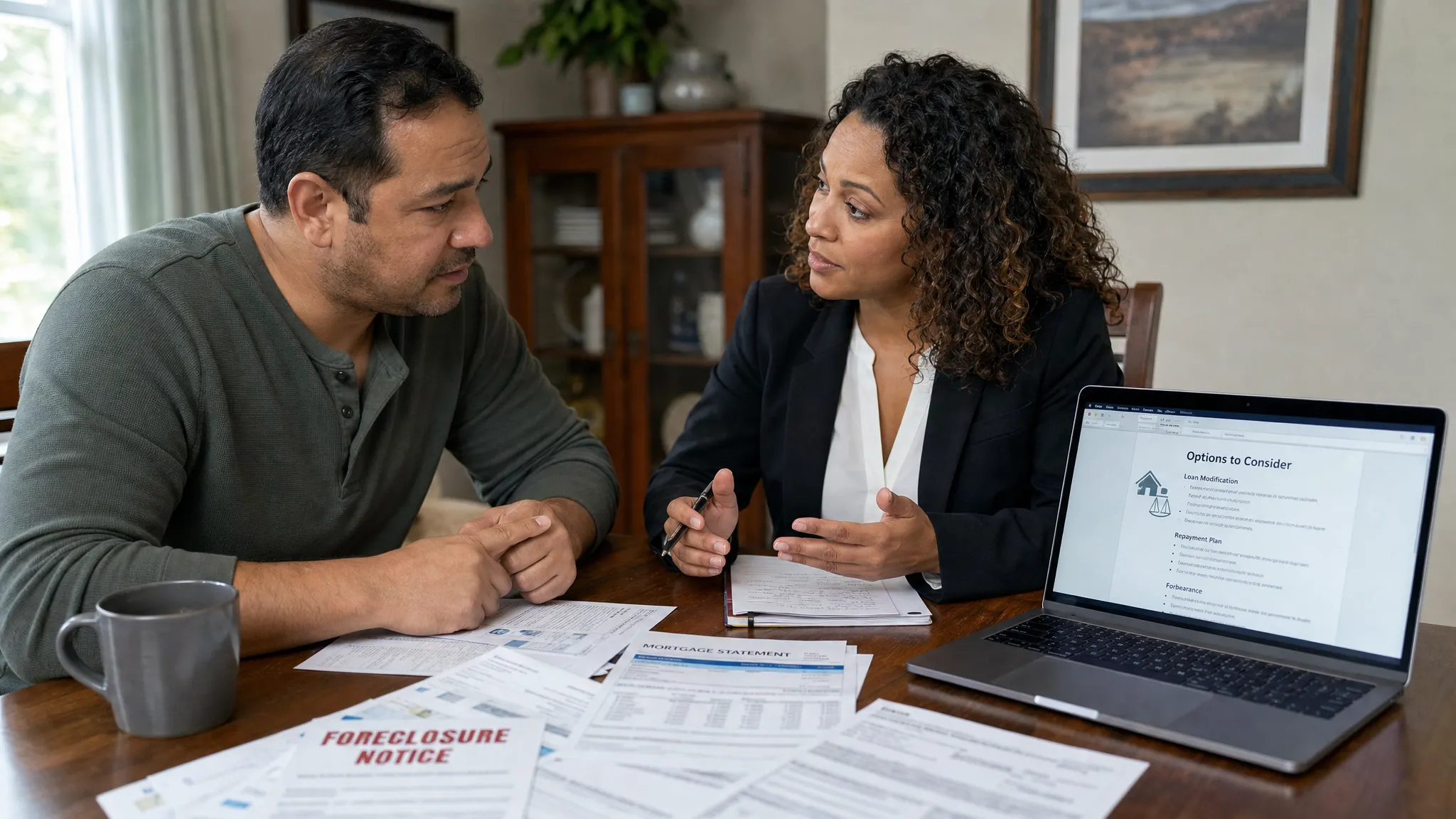
A foreclosure defense lawyer helps the homeowner understand where the case stands, what deadlines apply, and which legal or financial options may still be available. This is especially important in Westchester County, Rockland County, Putnam County, Orange County, Dutchess County, the Bronx, and throughout the Lower Hudson Valley, where foreclosure cases move through the New York Supreme Court system.
What Foreclosure Defense Lawyers Actually Do
A foreclosure defense lawyer does more than file papers to buy time. The lawyer's role is to examine the lender's case, protect the homeowner's procedural rights, and help create a realistic path forward.
In plain English, foreclosure defense may include:
- Reviewing the summons, complaint, mortgage, note, assignments, payment history, and notices
- Determining whether the lender complied with New York pre-foreclosure requirements
- Preparing and filing an answer with defenses and counterclaims when appropriate
- Appearing in court and at settlement conferences
- Challenging unsupported fees, interest, escrow charges, or loan balances
- Negotiating with the lender or servicer for a loan modification or other resolution
- Coordinating foreclosure defense with bankruptcy, short sale, or appeal strategies when needed
Every case is different. A homeowner who missed three payments and has not yet been sued is in a very different position from a homeowner facing a scheduled auction next week. Good foreclosure defense begins with a case-specific review, not a generic promise.
Reviewing Pre-Foreclosure Notices and Lender Compliance
Before a lender starts many residential foreclosure actions in New York, it must comply with strict notice rules. One of the most important is the RPAPL 1304 90-day notice, which gives certain borrowers advance warning before a foreclosure lawsuit is filed.
This notice is not a minor technicality. New York courts have often required strict compliance with the statute. A defect in the notice, mailing, timing, or content may create a defense, depending on the facts.
A lawyer may review whether:
- The notice was sent to each required borrower
- The notice was mailed in the required manner
- The lender waited the required time before suing
- The language of the notice complied with New York law
- The lender made required filings related to the notice
CGW has written more about this issue in its discussion of the RPAPL 1304 90-day pre-foreclosure notice. If you received a 90-day notice, that is often the right time to get legal advice, not the time to wait and hope the problem disappears.
Responding When You Are Served With a Foreclosure Lawsuit
Once a homeowner is served with a summons and complaint, the clock starts running. Depending on how service was made, a homeowner may have a limited time to respond. Failing to answer can lead to a default, which can make it easier for the lender to move toward judgment.
Foreclosure defense lawyers help homeowners file a proper response. That response may deny allegations, raise affirmative defenses, and preserve legal arguments that could otherwise be lost.
Common foreclosure defenses in New York may involve:
- Lack of standing, meaning the plaintiff may not have had the right to sue when the case began
- Defective pre-foreclosure notices
- Statute of limitations problems
- Errors in the amount claimed due
- Failure to comply with mortgage servicing rules
- Improper assignments or missing loan documents
- Predatory lending or other loan origination issues, when supported by the facts
These defenses do not apply in every case. A defense must be supported by evidence and law. But when valid issues exist, raising them early can protect the homeowner and may improve the chances of a more favorable resolution.
Protecting Homeowners at Each Stage of Foreclosure
Foreclosure defense is not one single tactic. The right strategy depends on timing, finances, court history, and the homeowner's goals.
| Stage of foreclosure | How a lawyer may help | Why it matters |
|---|---|---|
| Behind on payments, no lawsuit yet | Review notices, explore forbearance, modification, repayment, or other workout options | Early action may prevent a lawsuit or preserve more choices |
| 90-day notice received | Check compliance and prepare a response strategy | Notice defects may become important later |
| Summons and complaint served | File an answer and preserve defenses | Missing the response deadline can lead to default |
| Settlement conference scheduled | Prepare documents, negotiate, and address servicer delays | Many homeowners seek loan modification review at this stage |
| Lender files motions | Oppose summary judgment or other requests when grounds exist | Motions can move the case toward judgment quickly |
| Judgment or auction scheduled | Consider emergency motions, bankruptcy, payoff, reinstatement, or sale alternatives | Late action may still help, but options are narrower |
| After sale | Review eviction issues, surplus funds, or possible challenges | Some rights may remain even after auction |
This staged approach is important because homeowners often assume it is too early or too late to call a lawyer. In reality, timing changes the strategy, but it does not always eliminate the possibility of legal help.
Using Settlement Conferences and Loan Modification Reviews
In many New York residential foreclosure cases involving an owner-occupied home, the court schedules a settlement conference. The purpose is to see whether the case can be resolved without foreclosure, often through loan modification, repayment, reinstatement, short sale, or another loss mitigation option.
These conferences can be valuable, but they can also be frustrating. Homeowners may submit documents repeatedly, only to be told something is missing. A servicer may change representatives, request updated bank statements, or deny an application for reasons that are difficult to understand.
A foreclosure defense lawyer can help by organizing the financial package, tracking submissions, challenging improper denials, and making a record if the lender or servicer fails to negotiate appropriately. While no attorney can guarantee a modification, legal representation can help reduce avoidable mistakes and keep pressure on the process.
For homeowners trying to keep their property, a loan modification may be one possible solution. The best approach usually depends on income, arrears, property value, loan type, and whether the homeowner can afford future payments.
Challenging the Amount Claimed Due
Foreclosure cases often involve more than missed principal and interest. The lender's claimed balance may include late charges, legal fees, property inspections, escrow advances, insurance charges, interest, and other costs.
A lawyer may review whether the claimed amount is properly supported. This can matter greatly. An inflated payoff figure may make reinstatement, sale, refinancing, or modification more difficult. In some cases, the amount due becomes a central issue before judgment or before a referee computes the debt.
Homeowners should keep mortgage statements, correspondence, proof of payments, modification applications, escrow notices, insurance records, tax records, and any letters from the servicer. Those documents may help a lawyer identify inconsistencies or errors.
Coordinating Foreclosure Defense With Bankruptcy Options
Foreclosure does not always happen in isolation. Many homeowners are also dealing with credit card debt, medical bills, tax issues, car payments, or creditor lawsuits. In those situations, bankruptcy may be part of the larger strategy.
Bankruptcy is not a personal failure. It is a legal tool that may help people reorganize or eliminate certain debts, stop collection activity, and create breathing room. When foreclosure is involved, bankruptcy must be considered carefully and timed properly.
Chapter 13 bankruptcy may help some homeowners stop a foreclosure sale and repay mortgage arrears over time through a court-supervised repayment plan, while also keeping up with ongoing mortgage payments. Chapter 7 may help with unsecured debt, but it usually does not provide the same long-term structure for curing mortgage arrears. Chapter 11 may be relevant for some small business owners or more complex financial situations.
CGW discusses this topic further in its article on how Chapter 13 bankruptcy can help stop foreclosure in New York. Bankruptcy should not be filed casually, especially close to a foreclosure sale. A lawyer can help evaluate whether it fits the homeowner's goals, budget, equity position, and long-term plan.
Responding to a Scheduled Foreclosure Auction
A scheduled auction is serious, but it does not always mean every option is gone. Depending on the circumstances, a lawyer may evaluate whether there are grounds to seek emergency court relief, oppose the sale, pursue bankruptcy protection, negotiate a reinstatement or payoff, request an adjournment, or explore alternatives such as a short sale.
Late-stage foreclosure defense is highly fact-specific. Courts generally want to see a valid legal basis for emergency relief. Filing papers at the last minute without a real strategy can create problems. Still, homeowners should not assume there is nothing to do simply because a sale date has been set.
If you are approaching an auction, review CGW's guide on how to stop foreclosure in Westchester and the Hudson Valley and speak with counsel as soon as possible.
Preserving Appellate Rights When the Court Gets It Wrong
Sometimes a homeowner receives an unfavorable ruling even though there may be legal or factual problems with the decision. In those situations, an appeal or motion for reconsideration may be worth evaluating.
Foreclosure appeals require careful analysis. A lawyer must review the order, judgment, motion papers, evidence, court record, deadlines, and potential legal errors. Not every adverse ruling is appealable, and not every appeal is practical. But when a court has overlooked important issues, misapplied the law, or relied on insufficient proof, appellate review may provide another path.
This is one reason it helps to work with a firm that understands both foreclosure litigation and foreclosure appeals. The earlier appellate issues are identified, the easier it may be to preserve them.
Helping Homeowners Make Practical Decisions
Not every foreclosure case ends with the homeowner keeping the property. Sometimes the best legal strategy is to create time for a sale, negotiate a short sale, resolve deficiency exposure, protect remaining equity, or plan for a controlled move.
A foreclosure defense lawyer should help the homeowner understand realistic options, not simply tell them what they want to hear. That may include discussing:
- Whether the home is affordable going forward
- Whether arrears can be cured through modification, repayment, or Chapter 13
- Whether the property has equity worth protecting
- Whether a sale or short sale may reduce financial harm
- Whether bankruptcy could address other debts
- Whether post-foreclosure eviction issues need to be planned for
This practical guidance can be just as important as courtroom defense. Foreclosure affects housing, credit, family stability, and future financial recovery. The legal strategy should reflect the full picture.
What Foreclosure Defense Lawyers Cannot Guarantee
It is important to be honest about limits. Foreclosure defense lawyers cannot guarantee that a homeowner will receive a loan modification, win in court, stop every sale, eliminate a valid mortgage debt, or keep a home regardless of the facts.
What an experienced lawyer can do is protect the homeowner's rights, identify available defenses, hold the lender to its legal obligations, explain options clearly, and advocate for the best possible outcome under the circumstances.
Be cautious of anyone who promises a guaranteed modification or claims they can stop foreclosure without reviewing the court file, loan history, and financial situation. In New York foreclosure defense, details matter.
Documents to Gather Before Speaking With a Lawyer
You do not need to have everything perfectly organized before asking for help. But if possible, gather the following documents before your consultation:
- Foreclosure summons and complaint
- 90-day notice or other letters from the lender
- Mortgage, note, and any loan modification agreements
- Recent mortgage statements
- Payment history or proof of payments
- Court orders, motions, or notices of sale
- Loan modification applications and denial letters
- Household income information
- Tax bills, insurance documents, and escrow statements
- Any bankruptcy, debt collection, or judgment paperwork
If you cannot find some documents, do not let that stop you from calling. A lawyer may be able to obtain court filings or help identify what is missing.
Frequently Asked Questions
Can foreclosure defense lawyers stop foreclosure in New York? They may be able to stop, delay, or challenge foreclosure depending on the facts. Options may include legal defenses, settlement conferences, loan modification, bankruptcy, emergency motions, appeals, or negotiated resolutions. No outcome can be guaranteed.
When should I contact a foreclosure lawyer? As early as possible. The best time is when you fall behind, receive a 90-day notice, or are served with a summons and complaint. If a sale is already scheduled, you should seek advice immediately because late-stage options are more limited.
What if I already applied for a loan modification? You may still benefit from legal help. A lawyer can review whether the application was handled properly, whether documents were incorrectly rejected, whether the denial makes sense, and whether other options are available.
Do I have to leave my home as soon as foreclosure starts? No. In New York, foreclosure is a court process. A homeowner generally does not have to leave simply because a lawsuit was filed. Even after a foreclosure sale, there may be additional legal steps before an eviction can occur.
Can bankruptcy help me keep my home? It can in some cases. Chapter 13 may allow certain homeowners to catch up on mortgage arrears over time while stopping foreclosure activity through the automatic stay. Whether bankruptcy makes sense depends on income, expenses, equity, arrears, and other debts.
What if the lender waited years to restart the foreclosure case? Statute of limitations issues may be important in New York foreclosure cases, especially after changes under the Foreclosure Abuse Prevention Act. These issues are complex and should be reviewed by counsel. CGW has discussed the New York Foreclosure Abuse Prevention Act in more detail.
Speak With a New York Foreclosure Defense Lawyer Before Deadlines Pass
Foreclosure is stressful, but you do not have to navigate it alone. Whether you just received a notice, have been served with a lawsuit, are in settlement conferences, or are facing a scheduled auction, getting legal guidance early may preserve more options.
Clair Gjertsen & Weathers PLLC helps homeowners in Westchester County, Rockland County, Putnam County, Orange County, Dutchess County, Bronx County, and the Lower Hudson Valley evaluate foreclosure defense, loan modification, bankruptcy, loss mitigation, appeals, short sales, and related strategies.
If your home is at risk, contact Clair Gjertsen & Weathers PLLC to discuss your situation with a qualified New York attorney. This article provides general information and is not a substitute for legal advice about your specific case.