
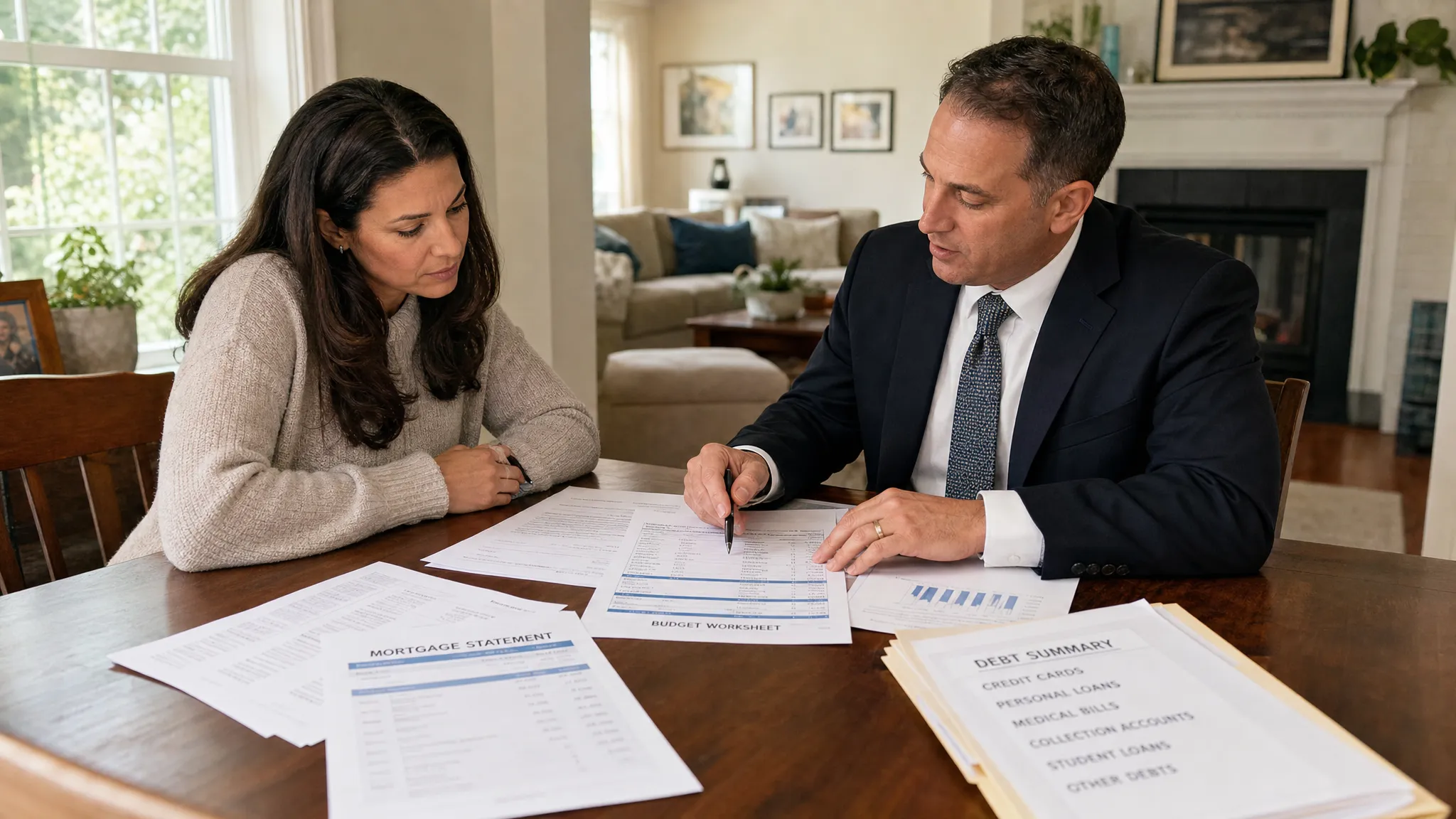
Financial pressure can build quietly at first. A missed credit card payment becomes collection calls. A medical bill turns into a lawsuit. Mortgage arrears become a foreclosure notice. By the time legal papers arrive, many people feel embarrassed, overwhelmed, or unsure whether anything can still be done.
If that sounds familiar, you are not alone. Debt problems often happen after job loss, illness, divorce, business disruption, rising housing costs, or a temporary setback that becomes difficult to catch up from. The important point is this: debt trouble is a legal and financial problem, not a personal failure.
A debt relief attorney may be the right next step when your situation has moved beyond budgeting or creditor phone calls and into legal risk. In New York, that can include creditor lawsuits, wage garnishments, bank restraints, foreclosure, judgments, or the need to consider bankruptcy protection.
What does a debt relief attorney do?
A debt relief attorney helps individuals, homeowners, and sometimes small businesses evaluate legal options for managing, reducing, reorganizing, or defending against debt. The goal is not simply to “make debt disappear.” The goal is to understand your rights, protect what matters, and choose a practical path based on your income, assets, debts, and long-term needs.
Depending on the circumstances, legal debt relief may involve:
- Defending a creditor lawsuit
- Challenging improper collection practices
- Negotiating a settlement or payment arrangement
- Reviewing judgments, liens, or garnishments
- Filing Chapter 7 bankruptcy for qualifying debt discharge
- Filing Chapter 13 bankruptcy to reorganize debt and possibly cure mortgage arrears
- Considering Chapter 11 for certain business or higher-debt situations
- Coordinating debt strategy with foreclosure defense, loan modification, or loss mitigation
This is different from hiring a debt settlement company. A debt settlement company generally tries to negotiate with creditors, often after you stop paying. A law firm can evaluate whether the creditor has a valid case, whether you have legal defenses, whether bankruptcy is safer or more effective, and whether your home, wages, or bank account may be at risk.
Signs it may be time to speak with a debt relief attorney
Not every debt issue requires a lawyer. But certain warning signs mean the situation may have legal consequences if you wait too long.
| Situation | Why it matters | How an attorney may help |
|---|---|---|
| You were served with a summons and complaint | Ignoring a lawsuit can lead to a default judgment | Review defenses, prepare an answer, and appear in court if appropriate |
| Your wages are being garnished | A judgment creditor may be collecting directly from your paycheck | Evaluate exemptions, settlement, court relief, or bankruptcy options |
| Your bank account was restrained | You may temporarily lose access to funds | Determine whether funds are exempt and seek release when available |
| You are behind on your mortgage | Debt issues can overlap with foreclosure risk | Coordinate foreclosure defense, Chapter 13, loan modification, or other options |
| You received a judgment notice | Judgments can affect income, bank accounts, and sometimes real property | Review whether the judgment is valid and what relief may be available |
| You are using credit cards to pay basic expenses | This may signal a debt cycle that is becoming unsustainable | Compare bankruptcy, negotiation, and budgeting options before the situation worsens |
| You are being contacted by collectors constantly | Some collection conduct may violate consumer protection laws | Help you understand your rights and respond strategically |
The earlier you seek advice, the more options may be available. Once a default judgment, foreclosure sale, or garnishment is in place, there may still be options, but the path can become more complicated.
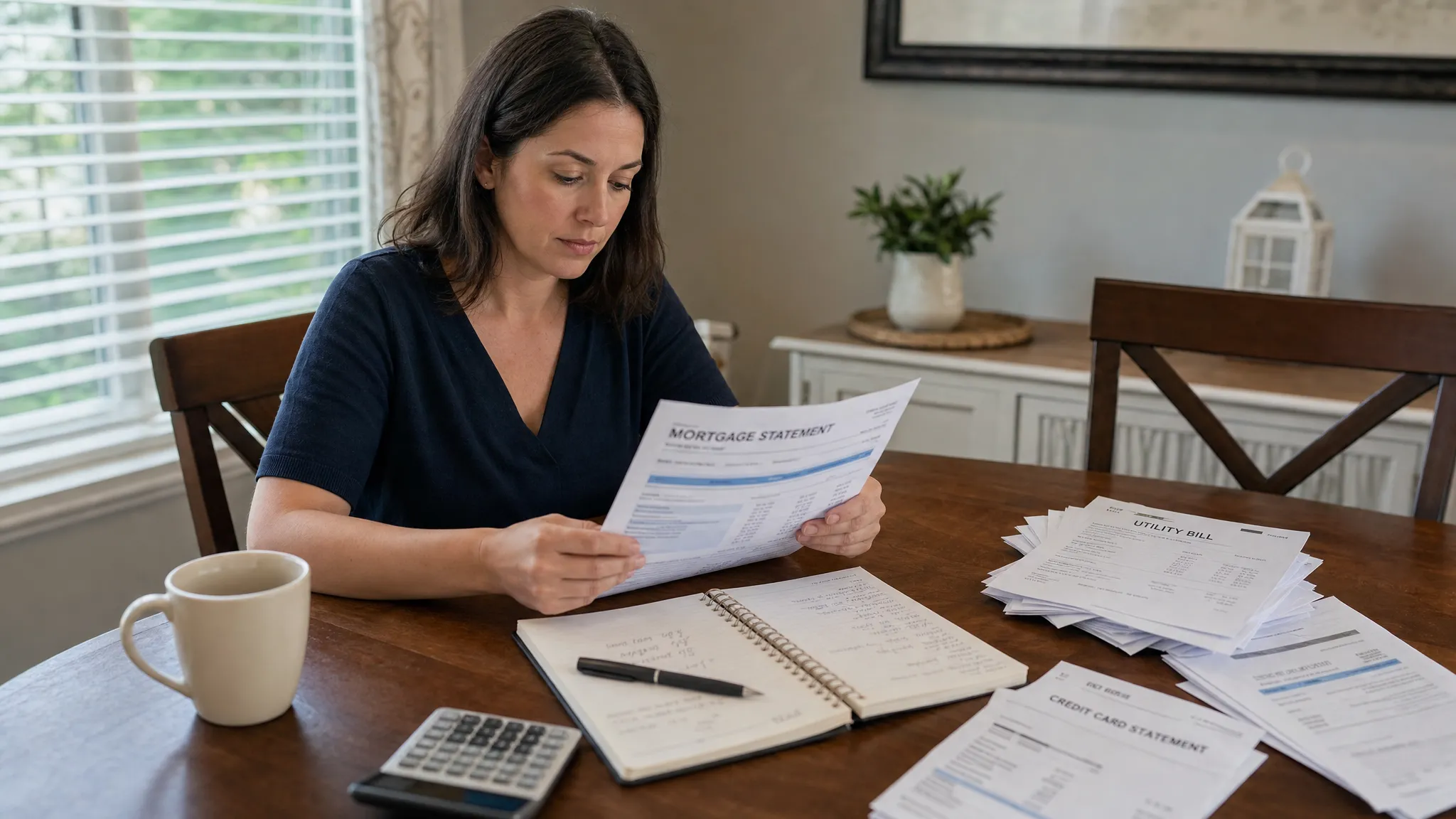
You have been sued by a creditor
A creditor lawsuit is one of the clearest signs that it may be time to contact a debt relief attorney. In New York, debt buyers, credit card companies, medical providers, and other creditors may sue to collect alleged unpaid balances. If you do not respond in time, the creditor may seek a default judgment.
A judgment can lead to serious collection tools, including wage garnishment, bank account restraints, and liens in certain situations. However, being sued does not automatically mean the creditor wins. Creditors must prove their claims, and debt buyers may need to show proper documentation of ownership, the amount owed, and compliance with applicable law.
New York has strengthened consumer protections in debt collection cases. For example, the New York Consumer Credit Fairness Act changed important rules for many consumer debt lawsuits, including limitations periods and required documentation. The New York State court system provides general information on consumer debt cases, but an attorney can help apply those rules to your specific situation.
A debt relief attorney may look at questions such as:
- Was the lawsuit served properly?
- Is the debt too old to sue on?
- Does the plaintiff have proof it owns the debt?
- Are the amount and interest charges accurate?
- Were required notices provided?
- Would settlement, litigation, or bankruptcy make more sense?
If you have been served, do not assume the lawsuit will go away. Court deadlines matter, and missing them can reduce your leverage.
Your wages or bank account are being targeted
Many people first seek legal help after discovering that their paycheck is being garnished or their bank account has been frozen. In New York, these collection actions typically happen after a creditor obtains a judgment. That does not mean nothing can be done, but it does mean the issue has become urgent.
Some income and funds may be protected from collection, depending on the source and circumstances. Social Security, certain public benefits, and other protected funds may have special rules. A debt relief attorney can help identify whether exemptions apply, whether the judgment can be challenged, and whether bankruptcy may stop ongoing collection activity.
The Consumer Financial Protection Bureau also provides helpful information about debt collection rights, including how consumers can respond to collectors. Still, when a collector has already gone to court, legal guidance is often important.
You are behind on your mortgage and other debts
For homeowners in Westchester County, Rockland County, Putnam County, Orange County, Dutchess County, the Bronx, and the Lower Hudson Valley, debt relief often overlaps with home preservation. A missed mortgage payment may not be the only problem. There may also be credit card debt, medical bills, personal loans, tax concerns, business debt, or condo and co-op arrears.
When mortgage arrears are involved, the debt strategy must be carefully coordinated. Paying one creditor while ignoring a foreclosure deadline may create bigger problems. Filing the wrong type of bankruptcy, or filing at the wrong time, may also have consequences.
For some New York homeowners, Chapter 13 bankruptcy may provide a way to stop or delay foreclosure through the automatic stay while proposing a plan to catch up on mortgage arrears over time. For others, foreclosure defense, a loan modification, loss mitigation, a short sale, or another strategy may be more appropriate.
If foreclosure is already part of the picture, you may want to review related guidance on how Chapter 13 bankruptcy can help stop foreclosure in NY and how to stop foreclosure in Westchester and the Hudson Valley. Every case is different, and timing can significantly affect available options.
You are considering bankruptcy but are unsure what it means
Many people delay speaking with a lawyer because they are afraid of the word “bankruptcy.” In reality, bankruptcy is a legal tool created to help people and businesses address unmanageable debt. It is not right for everyone, but it can be powerful when used properly.
The most common bankruptcy chapters for individuals and small businesses include:
| Bankruptcy chapter | Often used for | Basic purpose |
|---|---|---|
| Chapter 7 | Individuals with limited ability to repay unsecured debt | Discharge qualifying debts and obtain a fresh financial start |
| Chapter 13 | Individuals with regular income, including homeowners behind on mortgage payments | Reorganize debt through a repayment plan, often over three to five years |
| Chapter 11 | Businesses or individuals with more complex debt structures | Reorganize debts while continuing operations or managing assets |
Chapter 7 may help eliminate qualifying unsecured debts such as credit card balances, medical bills, or certain personal loans. Chapter 13 may be especially important for homeowners who need time to cure mortgage arrears while staying current on ongoing mortgage payments. Chapter 11 may be considered for small businesses or more complex financial situations.
Bankruptcy also creates an automatic stay in many cases. This can temporarily stop many collection actions, including creditor lawsuits, wage garnishments, collection calls, and foreclosure activity. There are exceptions and limitations, so it is important to speak with counsel before assuming bankruptcy will solve every problem.
For a broader overview, see CGW’s guide to filing bankruptcy in Westchester County and the Hudson Valley and the comparison of Chapter 7 vs Chapter 13 bankruptcy.
You are thinking about debt settlement
Debt settlement can be useful in some situations, but it carries risks. A creditor is not required to accept a reduced payment. A settlement may have tax or credit consequences. If you stop paying while saving money for a settlement, you may be sued. If a judgment is already entered, the creditor may continue collection unless an agreement is reached and properly documented.
A debt relief attorney can help compare settlement with other options. Sometimes settlement is practical. Sometimes defending the lawsuit makes sense. Sometimes bankruptcy may provide broader relief than negotiating with one creditor at a time.
Before agreeing to a settlement, it is important to understand:
- Whether the creditor can prove the debt
- Whether the debt is within the applicable statute of limitations
- Whether the settlement releases the full balance
- Whether the agreement must be in writing
- Whether a judgment will be vacated, satisfied, or remain on record
- Whether other creditors may still sue you later
The lowest payment is not always the safest solution. The details of the agreement matter.
You are worried about protecting your home, car, or savings
Many people avoid legal advice because they fear they will automatically lose property if they file bankruptcy or challenge a creditor. In many cases, the law provides exemptions that may protect certain property, including some home equity, retirement funds, wages, and personal property. The exact protections depend on the facts, the type of debt, the county, and whether state or federal exemptions apply.
This is one reason it is important not to transfer property, drain retirement accounts, or borrow against your home without first getting advice. Well-intentioned decisions can create legal and financial complications.
For homeowners, the analysis is especially important. A debt relief attorney familiar with New York foreclosure and bankruptcy law can evaluate whether your home is at risk from mortgage arrears, judgment liens, tax liens, common charges, or other claims. The right strategy may involve bankruptcy, foreclosure defense, a loan modification, negotiation, or a combination of approaches.
When you may not need a debt relief attorney
There are situations where legal representation may not be necessary. If you have a small balance, no lawsuit, steady income, and the ability to catch up through a realistic budget, you may be able to resolve the matter directly with the creditor.
You may also be able to use nonprofit credit counseling or budgeting assistance if your main issue is organizing payments rather than legal enforcement. However, if you are facing court papers, a foreclosure notice, garnishment, a bank restraint, or possible bankruptcy, it is usually wise to get legal advice before making decisions.
A short consultation can help you understand whether the problem is manageable on your own or whether legal action may be needed.
What to bring when you speak with an attorney
The more information you have, the easier it is for an attorney to evaluate your options. Do not worry if your documents are incomplete. Bring what you can.
Helpful documents may include:
- Court papers, including summonses, complaints, judgments, or notices
- Collection letters and creditor correspondence
- Recent pay stubs or proof of income
- Bank statements
- Mortgage statements and foreclosure notices
- Loan modification or forbearance correspondence
- Credit card, medical, and personal loan statements
- Tax notices, if relevant
- A list of monthly household expenses
- Any prior bankruptcy paperwork
It is also helpful to write down your goals. Do you want to save your home? Stop a garnishment? Avoid bankruptcy if possible? Eliminate unsecured debt? Protect a business? Different goals may lead to different legal strategies.
Questions to ask a debt relief attorney
Choosing the right attorney is not only about credentials. It is also about whether the attorney understands your specific situation and explains your options clearly.
Consider asking:
- Have you handled debt, bankruptcy, and foreclosure matters in New York?
- What are the immediate deadlines in my case?
- Am I at risk of a judgment, garnishment, foreclosure sale, or bank restraint?
- What are the advantages and disadvantages of bankruptcy in my situation?
- Are there non-bankruptcy options I should consider?
- How could my home, car, wages, or bank account be affected?
- What documents do you need to give me a more complete assessment?
A good legal strategy should be practical, understandable, and tailored to your circumstances. It should also be honest about risks, costs, and limitations.
Frequently Asked Questions
What is the difference between a debt relief attorney and a debt settlement company? A debt relief attorney can provide legal advice, defend lawsuits, evaluate bankruptcy, address judgments, and protect your rights in court. A debt settlement company generally focuses on negotiating payment reductions and cannot represent you in litigation or provide legal advice.
Should I call an attorney if I was served with a debt lawsuit in New York? Yes, it is often wise to speak with an attorney as soon as possible. If you ignore the lawsuit, the creditor may seek a default judgment. An attorney can review possible defenses, deadlines, and options for settlement, litigation, or bankruptcy.
Can bankruptcy stop wage garnishment or foreclosure? Bankruptcy may stop many collection actions through the automatic stay, including some wage garnishments and foreclosure activity. The effect depends on the chapter filed, prior filings, the type of debt, and the timing of the case.
Will I lose my home if I file bankruptcy? Not necessarily. Many people file bankruptcy and keep their homes, depending on equity, mortgage status, exemptions, income, and the chapter filed. Homeowners should get advice before filing because the analysis is fact-specific.
Is it too late to get help if a judgment has already been entered? It may not be too late. Depending on the circumstances, options may include challenging the judgment, negotiating payment, claiming exemptions, addressing garnishment, or considering bankruptcy. Acting quickly is important.
When should I contact a debt relief attorney? You should consider contacting an attorney when you receive court papers, fall behind on mortgage payments, face garnishment, have a frozen bank account, receive foreclosure notices, or feel unable to manage debt despite making good-faith efforts.
Taking the next step with clarity
Debt problems can feel isolating, but you do not have to sort through lawsuits, foreclosure notices, collection threats, or bankruptcy questions alone. The sooner you understand your rights, the easier it may be to avoid rushed decisions and preserve available options.
Clair Gjertsen & Weathers PLLC helps homeowners, consumers, landlords, tenants, and small businesses throughout Westchester County, Rockland County, Putnam County, Orange County, Dutchess County, the Bronx, and the Lower Hudson Valley address serious debt and property-related legal challenges.
If you are facing creditor lawsuits, mortgage arrears, foreclosure, garnishment, or overwhelming debt, consider speaking with an experienced New York debt relief attorney before deadlines pass. Every case is unique, and informed guidance may help you move forward with a clearer plan.