NY & CT Foreclosure & Bankruptcy Attorneys
Schedule A Free Consultation 914.472.6202


New York passes legislation reducing interest rates on judgments involving consumer debt to two percent.
In response to the economic impact caused by the COVID-19 Pandemic, New York Governor Hochul signed into law Senate Bill S5724A also known as the New York Fair Consumer Judgment Interest Act. The Act amends the provisions of New York Civil Practice Law and Rules, also known as the CPLR, to reduce the amount of interest on judgments involving consumer debts against natural persons from 9% to 2%. The goal of the Act is to reduce hardships on individuals caused by the statutory judgment interest rate that has only intensified during the COVID-19 Pandemic.
What is Consumer Debt?
Consumer Debt is defined in the New York Fair Consumer Judgment Interest Act as “any obligation or alleged obligation of any natural person to pay money arising out of a transaction in which the money, property, insurance or services which are the subject of the transaction are primarily for personal, family or household purposes.” Examples of these types of obligations would be:
- Credit Card Debt
- Mortgages
- Medical Debt
- Auto Loans
- Student Loans
- Utility Bills and
- Cell Phone Bills.
What is Statutory Judgment Interest?
Interest is allowed on almost all judgments entered in New York State Courts from the date of judgment until it is paid in full and satisfied. As such, when a consumer debt creditor wins a lawsuit against a debtor, the New York State Legislature authorized the creditor to collect additional interest on the judgment itself to compensate creditors for the cost of any delay in repayment by the debtor.
Does the New York Fair Consumer Judgment Interest Act only apply to existing judgments?
Even though the date that this New York Fair Consumer Judgment Interest Act becomes effective is April 30, 2022, the Act applies retroactively to consumer debt judgments entered before April 30, 2022, as long as the judgments themselves are not yet fully paid and satisfied.
What benefits does the New York Fair Consumer Judgment Interest Act give to consumers?
The New York Fair Consumer Judgment Interest Act will reduce mounting debt for countless individuals as they continue to try to pull themselves out of the economic turmoil that was caused by the COVID-19 Pandemic. Having a reduction in statutory judgment interest will allow individuals to pay off their outstanding debt quicker and move on to the next chapter of their lives.
The importance of hiring an Experienced Consumer Debt Defense Attorney:
Clair Gjertsen & Weathers PLLC are experienced consumer debt defense attorneys. We negotiate with debt collection law firms and remove holds on your bank accounts or garnishments on your wages. For additional questions regarding the consumer debt defense process, we invite you to contact Clair Gjertsen & Weathers PLLC by calling 914-472-6202. We look forward to hearing from you.
Wendy Marie Weathers was featured in the December 2021 / January 2022 issue of the WWBA news.
Wendy has been an active member of the Westchester Women’s Bar Association since 2010.
In the featured interview, Wendy discusses her activities and positions held within the WWBA, her legal career, how the pandemic has made the association’s role even more important, advice she has for up-and-coming lawyers, and much more.
Click here to read the full interview.
Click here to read the December 2021 / January 2022 issue of the WWBA news.

NY Residential Foreclosure Case
On November 17, 2021, the Supreme Court of the State of New York, Appellate Division, Second Judicial Department affirmed a lower court’s holding that granted Defendants (homeowners) motion for summary judgment in U.S. Bank Trust, N.A. etc. v Donna M. Yozzo, et al, ____ AD3d _____ (2d Dept. 2021). Clair Gjertsen & Weathers PLLC represented the winning borrowers in this action, and asserted that the statute of limitations had run on the bank’s right to bring a residential foreclosure action. The bank argued that it was a mortgagee in possession, as it had secured the property, by changing the locks and winterizing the house, and therefore the statute of limitations was tolled. However, the lower court and Second Judicial Department found that the bank’s argument was unsound. The Second Judicial Department did not provide any specific examples of what would constitute a mortgagee in possession, but as there is very minimal case law on what constitutes a mortgagee in possession in New York State, this is a huge win for borrowers across the state.
What is the Statute of Limitations for New York Residential Foreclosures?
Pursuant to CPLR § 213(4), foreclosures of residential real property are governed by a six-year statute of limitations, whereby an action to foreclose a mortgage may be brought to recover unpaid sums which were due within the six-year period immediately preceding the commencement of the action or acceleration.
A mortgage debt is accelerated when the mortgagee has the right to require payment of the entire amount due and the borrower’s right to make monthly payments ends. EMC Mtge. Corp. v Patella, 279 A.D.2d 604, 605-606 (2d Dept. 2001); Fed. Natl. Mtge. Assn. v Mebane, 208 A.D.2d 892, 894 (2d Dept. 1994). Such acceleration must be “clear and unequivocal”. Sarva v Chakravorty, 34 A.D.3d 438, 439, (2006); See, Arbisser v Gelbelman, 286 A.D.2d 693, 694 (2d Dept. 2001); Colonie Block & Supply Co. v Overmyer Co., 35 A.D.2d 897, 897 (1970).
What is a Mortgagee in Possession?
A mortgagee who is occupying the property to the exclusion of the owner; this may happen at any time, even if there has been no default by the mortgagor. A “mortgagee in possession takes the rents and profits in the quasi character of trustee or bailiff of the mortgagor…They are applied in equity as an equitable set off to the amount due on the mortgage debt.” Hubbell v Moulson, 53 N.Y. 225, 228 (1873). See also, Morris v Budlong, 78 N.Y. 543 (1879); Gasco Corp. Gordian Group v Tosco Props., 236 A.D.2d 510; 653 N.Y.S.2d 687 (2d Dept. 1997); Luna Light., Inc. v Just Indus., Inc., 137 A.D.3d 1228 (2d Dept. 2016). A mortgagee in possession can act to toll any applicable statute of limitations, as they are possessing the property, in an effort to improve and/or rent out same in order to offset the subject debt. Further, the collection of rental payments from an alleged mortgagee in possession may not be sufficient alone to toll the statute of limitations, as rental payments that go towards insurances, taxes and repairs would not act to toll the statute, as the monies did not go towards principal or interest.
Changing the locks and maintaining possession to the subject property to the exclusion of the owner is not enough to be a mortgagee in possession. Only when a record is supported by evidence demonstrating actual occupancy for several years, with improvements to the property, and periods of time of renting out said property does a mortgagee in possession relationship exist. LaPlaca v Schell, 68 A.D.3d at 1479-1480. In LaPlaca, the defendant purchased a parcel of land and assumed the already existing mortgage on that land. Thereafter, defendant conveyed half of the parcel to plaintiff in exchange for a release from their mortgage, but the deed was never executed because defendant was in bankruptcy at the time. The court found a mortgagee in possession relationship existed, as Plaintiff had moved into the property for a period of time, and when he was not living there had rented the property to tenants, used the property as a storage area for his business, and made improvements on the property.
Have you defaulted on your mortgage payments and moved out of the property?
You could still have legal rights to your home, and potentially a statute of limitations defense. You could even have the right to bring a lawsuit against the bank to have the mortgage lien marked off your county clerk’s records. Timing is of the utmost importance and it is imperative that you speak with an attorney knowledgeable in residential foreclosures and foreclosure defense. Clair Gjertsen & Weathers PLLC has been helping people through this complex process for the last 40-years. We offer free initial consultations to see what options might be available to you. Please contact us or give us a call at 914.472.6202.
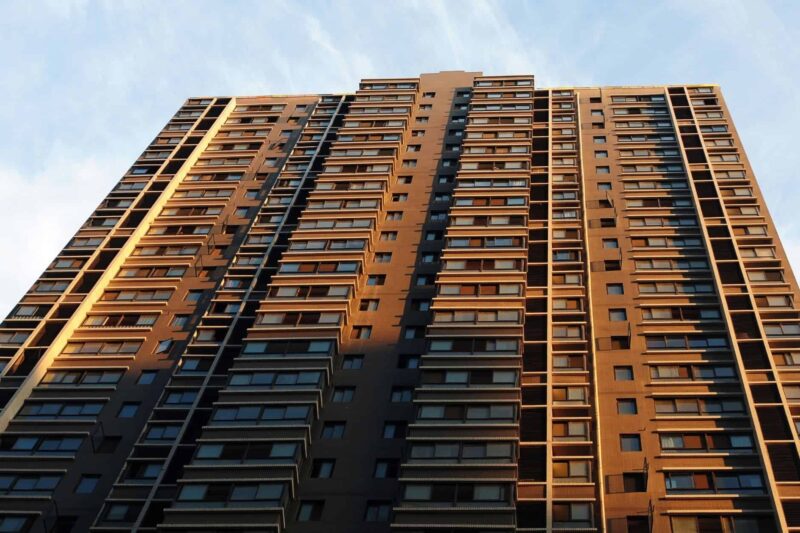
With the foreclosure moratorium created by the COVID-19 Emergency Eviction and Foreclosure Prevention Act of 2020 expiring on January 15, 2022, a rush of co-operative foreclosures will be coming. However, unlike a foreclosure on a house or condominium, the foreclosure process for a co-operative apartment is quite different and can lead to the sale of your co-operative apartment before you realize what is happening.
What makes a co-operative foreclosure different from a house foreclosure?
Dissimilar from a house or a condominium, “co-ops” are not considered to be real property, but are personal property. When you buy into a co-operative, you do not receive a deed but instead receive a certificate of shares in a corporation that owns the interior, exterior, and all common areas of the building. As a shareholder, you are entitled to exclusive use of an apartment in the property. You are also issued a proprietary lease by the co-op, which allows occupancy of a particular unit and states the terms and conditions of their share ownership. When taking out a mortgage loan to purchase the co-op apartment, instead of pledging the property itself as collateral, you pledge your shares as collateral for the mortgage.
How do co-operative foreclosures work?
Foreclosing on a cooperative apartment is a profoundly different process than the one employed to foreclose on a home or a condominium. Since a mortgage on a co-op does not involve real property, a lender can conduct a foreclosure sale under Uniform Commercial Code Article 9 without the need to involve the courts. In New York, this is known as non-judicial foreclosure.
Under Uniform Commercial Code Article 9 two notices are to be served before a foreclosure auction sale on the certificate of shares can begin. First, the lender must serve you with a pre-foreclosure notice ninety (90) days before the sale. The notice must inform you of steps you can take to avoid foreclosure and provide a list of not-for-profit housing counselors in the county where the apartment is located that can assist you. Second, the lender must serve a notice at least ten (10) days before the actual sale notifying you of the date, time, and location that the sale will take place. The statute also requires the lender to run a lien search on the unit in dispute between twenty (20) and thirty (30) days before the sending of the second notice in addition to any additional notice requirements found in the mortgage.
What can be done to stop a co-op foreclosure?
Under New York State law, you can stop a co-op foreclosure using many methods. Despite the law not requiring a burdensome and time-consuming foreclosure process, you can still delay or even stop the co-op foreclosure from occurring.
1. Filing for bankruptcy
Filing for bankruptcy will prevent co-op foreclosure from occurring temporarily and potentially give you the ability to stay in your apartment through a court-supervised loan modification review. However, filing for bankruptcy is not the right option for everyone, especially if you have assets. If you are considering filing for bankruptcy, you should speak to experienced bankruptcy attorneys who can help guide you through the decision. Clair Gjertsen & Weathers PLLC can evaluate your case and determine if filing bankruptcy is the best option to stop the co-op foreclosure.
2. Applying for a mortgage loan modification
After submission and approval of an application, the lender can agree to several mortgage loan modifications to make your payments easier. There are numerous examples of how a lender can restructure your mortgage. However, each lender has different restrictions on what they can offer you for a modification. You must reach out to your lender as soon as possible to explore these options.
3. Reinstating the terms of your loan
Reinstatement occurs when you bring the delinquent loan current in one lump sum payment. Reinstating a loan stops a foreclosure because you catch up on the defaulted payments. You would also have to pay any overdue fees and expenses incurred because of the default. Once the loan is reinstated, you resume making regular payments on the debt.
4. Paying off the loan in its entirety
A payoff occurs when you pay the total amount required to satisfy the loan balance completely. Paying off the loan stops a foreclosure as the loan would be deemed satisfied. Paying off the loan also removes the mortgage as a lien against your home.
5. Challenge the Foreclosure Action
Unlike a typical foreclosure action that is very procedural in nature, lenders seeking to foreclose on co-op shares have a much easier process to go through.
However, the notice requirements of UCC Article 9 notices must be strictly complied with and any defect found can be grounds to request a stay of sale. To do so you must file an action in the State Supreme Court where your apartment is located and seek an immediate stay of sale. By filing an action you can fight and expose these defects to the Court, which could potentially result in a delay of the Co-op Foreclosure Auction Sale. Clair Gjertsen & Weathers PLLC can evaluate your foreclosure case and determine what mistakes were made by the lender to give you the best chance at stopping the Foreclosure Auction Sale.
Having questions about an upcoming Co-op Foreclosure Auction Sale?
If you are trying to stop a foreclosure auction of your co-op, time is of the essence, and the matter of utmost importance is returning your home into your possession. Clair Gjertsen & Weathers PLLC has been helping people through this complex process for the last 40-years. We offer free initial consultations to see which option is the best fit for you to stop a foreclosure auction sale to keep your home. Please give us a call at 914.472.6202.
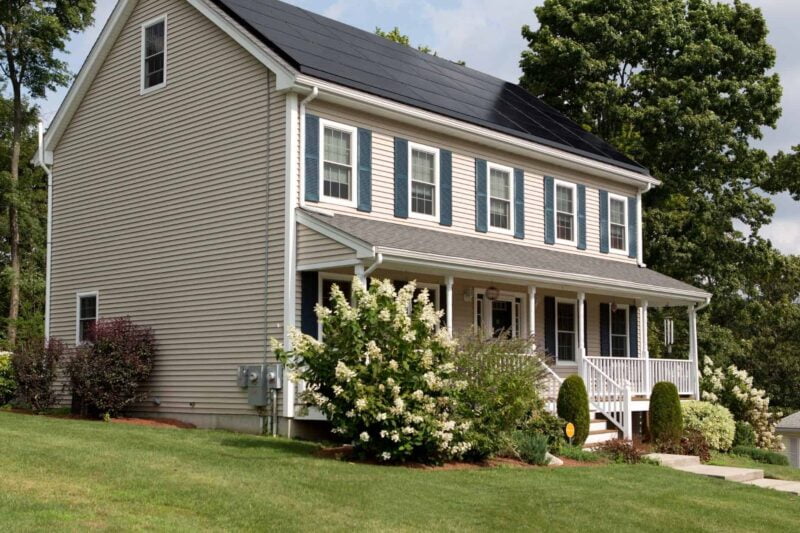
In response to the economic impact caused by the COVID-19 Pandemic, New York Governor Hochul signed into law Senate Bill S671 to assist borrowers in applying for a mortgage loan modification. The new law requires lenders and/or mortgage servicers to provide a single point of contact to a borrower to communicate with the lender and/or mortgage servicer concerning mortgage loan modification, or other loss mitigation alternatives.
How does a single point of contact get appointed?
The new law first requires that a borrower request the lender and/or mortgage servicer to provide a single point of contact. This request can be made in writing or by email. Upon receiving such a request, the lender/servicer is then required to provide the contact information of the point of contact to the borrower within ten (10) business days of receipt. Any change in the single point of contact shall be communicated to the borrower within five (5) business days.
Does this new law apply to every loan?
The new law only applies to a “home loan” that originates after January 2, 2022. A “home loan” as defined by New York Banking Law 6-L is a loan:
- Given to a borrower that is a natural person;
- Secured by a mortgage other than a reverse mortgage on a 1-4 family home, condominium unit, or stock and proprietary lease in a cooperative unit;
- Which is or will be occupied by the borrower as the borrower’s principal residence in the state of New York; and
- The principal of which does not exceed the Fannie Mae conforming loan size limit at the time of origination.
What will the single point of contact assist with?
According to the new law, the single point of contact shall be responsible for:
- Communicating the options available to the borrower for modifying his or her delinquent home loan;
- Assisting the borrower with identifying the documents required to apply for a mortgage loan modification; and
- Providing the borrower with accurate information regarding the status of his or her mortgage loan modification should the borrower choose to apply for a modification of their mortgage.
What benefits does the new law give to borrowers?
The new law will require lenders and/or mortgage servicers to appoint one individual to a borrower who will be responsible for all communications on behalf of the lender and/or mortgage servicer with the said borrower. Having one person knowledgeable about the borrower’s financial situation will help streamline the mortgage loan modification process and increase a borrower’s likelihood of success at saving their home. By assisting borrowers with applying for mortgage loan modifications, more mortgage loan modification agreements will be given and the number of borrowers going into foreclosure will decrease.
The importance of hiring an Experienced Loan Modification Attorney:
Clair Gjertsen & Weathers PLLC is experienced at getting mortgage loan modifications for our clients. We will review your application fully to avoid any future pitfalls or delays in the process. We also understand that the loan modification process can be overwhelming and confusing, and that is why we’re here to assist you. For additional questions regarding the mortgage loan modification process and related foreclosure issues, we invite you to contact Clair Gjertsen & Weathers PLLC by calling 914-472-6202. We look forward to hearing from you.

Recently, a woman in California, filed an adversary proceeding in a personal bankruptcy without an attorney and was able to negotiate her approximate $350,000.00 student loan debt down to $7,200.00.
Loe was a 47-year-old woman who had accumulated federal student loan debt with the Department of Education. Loe filed an adversary complaint with the United States Bankruptcy Court for the Central District of California on August 31, 2020. The 182-page Complaint provided a detailed timeline of Loe’s physical and financial struggles of being diagnosed as a Type 1 Diabetic, while her continued attempt to better her financial status and career through the educational process.
Unfortunately, after the long process of obtaining a master’s degree in film and television in December of 2018, she was only able to obtain entry-level temp jobs on film and television sets, while working part-time at coffee shops and driving for Postmates. Moreover, prior to her bankruptcy filing, Loe had racked up extensive credit card debt and exhausted the various options for repayment assistance on her loans, including income-driven repayment plans and temporary forbearances.
When the Covid-19 pandemic hit, Loe lost her job and she had to stop delivering food on Postmates due to her health concerns and that was when Loe decided to file for bankruptcy.
Loe Student Loan Bankruptcy Settlement:
On or about August 30, 2021, Loe entered into a written agreement with her federal student loans, whereby she would agree to pay $60.00 monthly, for ten years or until October 1, 2021, and at the end of the terms, if she had remained current on her monthly payments, the remaining debt would be discharged pursuant to her Chapter 7 discharge order. However, pursuant to the agreement, if Loe misses a payment and fails to pay past the 10-day grace period, her entire student loan balance will become due again, with interest.
Also, the language of the settlement agreement make it unclear if she defaults on this agreement if this student loan debt could be discharged in a future bankruptcy.
Why it is Important to Hire a Bankruptcy Lawyer for Student Loan Debt Relief
As someone filing an adversary proceeding to discharge her student loans without an attorney, Loe did very well. However, there are questions as to whether her proceeding had gone forward, given Loe’s long and detailed medical history and enormous student loan debt, whether the Court would have found for a full discharge of her student loan debt.
“For something so important, especially for bankruptcy, it is extremely difficult to get approved, you want to make sure you have an expert on your side,” says Betsy Mayotte, president and founder of the Institute of Student Loan Advisors. This is especially true, when looking at the statistics, adversary proceedings to discharge student loan debt are incredibly low. According to an article in the Duke Law Journal, in 2017, out of the 241,000 people applying for a bankruptcy discharge with student loans, only 447 completed a request to have their loans discharged in their bankruptcy.
We can Help you File a Personal Bankruptcy with Student Loan Debt:
As seen from Loe, you technically do not have to go through an attorney when filing bankruptcy on student loans, but bankruptcy and the student loan process can be an incredibly complex process. It requires determining which type of bankruptcy you’ll file and bringing an adversary proceeding, or filing for the SLM Program. Going through it alone could mean extra time, incorrect filings, and possibly a lost case. We are an experienced bankruptcy law firm who has helped thousands of people in financial distress. We understand that student loans can be overwhelming and daunting and are here to help you through the process. Please contact us or give us a call to schedule a free consultation at 914.472.6202.